

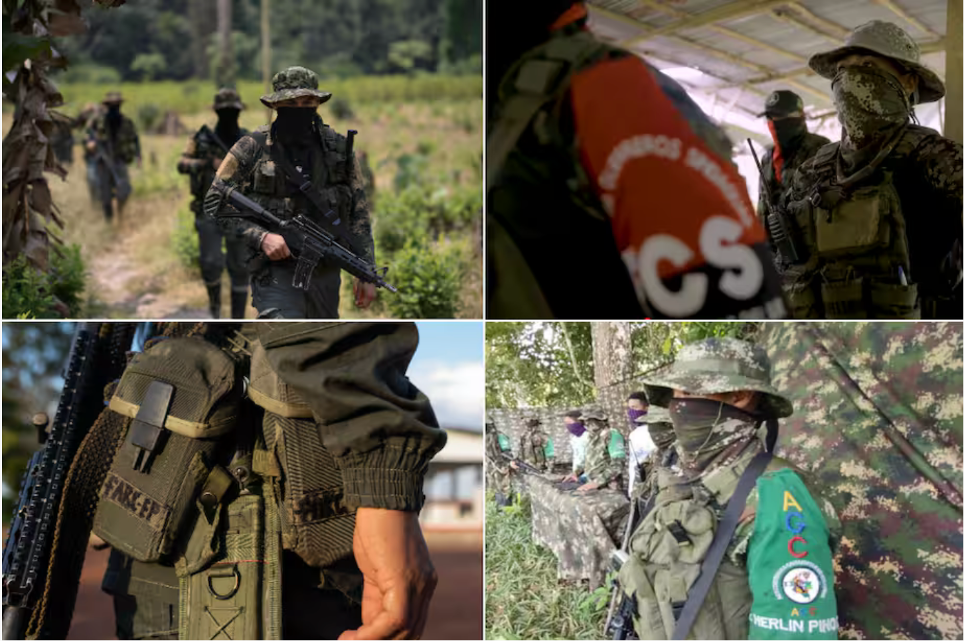
Colombia 2026: Paz Total Has Failed – And Washington Is Not the Answer Either
Colombia's security crisis is a structural failure — not a problem awaiting the right foreign patron. Petro’s Paz Total has failed. But the U.S. that underwrote Plan Colombia no longer exists: its arsenals are depleted, its attention overextended, its reliability conditional. Whatever government Colombians elect, it will need a security strategy calibrated to the hemisphere that exists — not the one from twenty years ago.
Reorganized, not dismantled: the authoritarian pact in post-Maduro Venezuela
Six months after Operation Absolute Resolve, Venezuela has not produced a democratic transition — it has produced a supervised kleptocracy. Maduro is gone; the apparatus that sustained him is not. Washington secured the oil, sidelined the opposition, and deferred the elections. The trial in New York extends the intervention by other means. What the post-Maduro moment reveals is not a liberation but an update of the Monroe Doctrine — authoritarianism reordered, not dismantled.
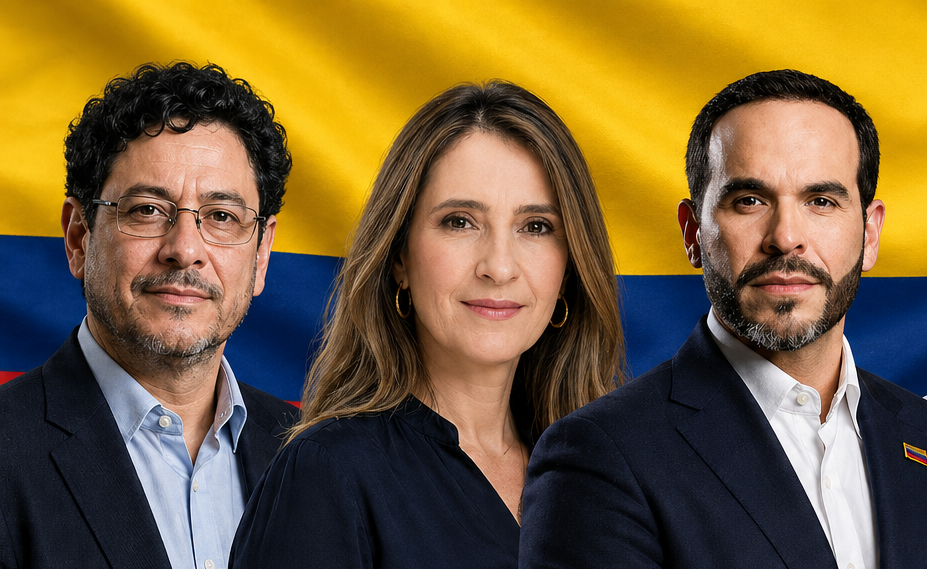
Colombia 2026 — The Foreign Policy Stakes: Scenarios, Consequences, and Opportunities
Colombia's 2026 election is a foreign policy inflection point. Each leading candidate represents a distinct strategic orientation: Cepeda toward autonomy and South-South cooperation; Valencia toward realignment with Washington; De la Espriella toward ideological rupturism without a coherent roadmap. This analysis maps the consequences of each scenario across U.S. relations, Chinese investment, regional positioning, counternarcotics, and migration.
Three Candidates, Three Models: Colombian Foreign Policy in Dispute
Colombia's 2026 elections are not merely a change of leadership — they are a decision about the country's place in a rapidly shifting international order. Cepeda bets on strategic autonomy and regional integration; Valencia on realignment with Washington; De la Espriella on conservative populism without a clear foreign policy roadmap. Three candidates, three familiar trajectories, divergent consequences.
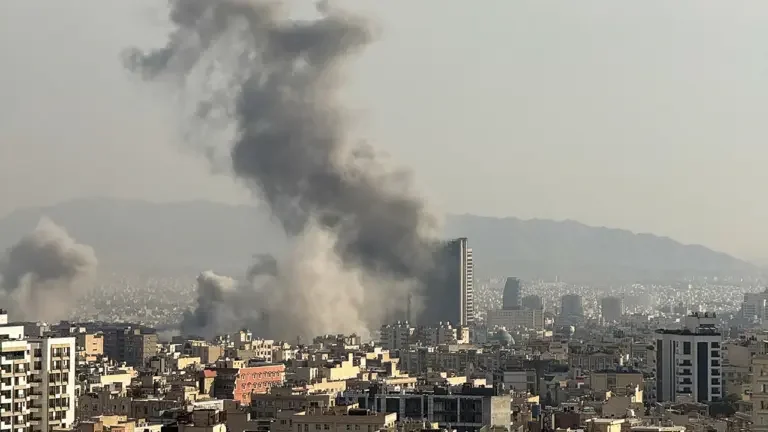
From the Persian Gulf to Latin America: The Repercussions of the War in Iran
As the United States deepens its military commitment in the Persian Gulf, its capacity to sustain hemispheric dominance is quietly eroding. This piece traces the concrete channels through which the Iran conflict is already reaching Latin America — energy price shocks, tightening dollar liquidity, expanding criminal economies, and weakening security partnerships — and argues that the region is absorbing the costs of a war it did not choose, without the protection the Monroe Doctrine once promised in exchange for deference.
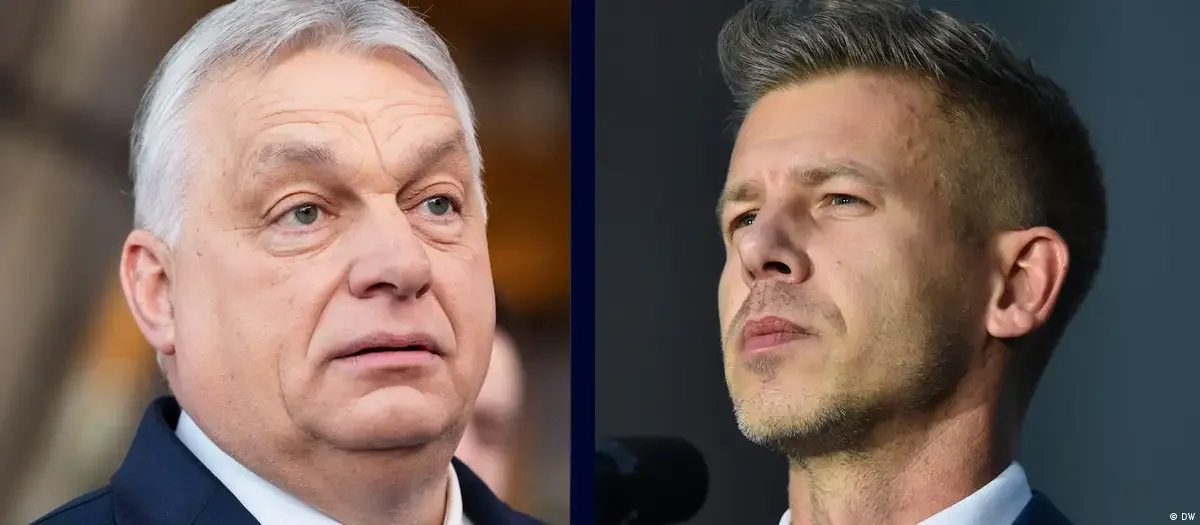
The 2026 Hungarian Election: A Structural and Strategic Analysis
Viktor Orbán — Europe's longest-serving autocrat, Moscow's man inside the EU, and the global hard right's favorite template — may be on the verge of losing power. If Tisza's lead survives Hungary's gerrymandered electoral system, the implications are immediate: Hungary's veto on Ukraine aid disappears, Brussels gets back a cooperative member state, and the illiberal model loses its crown jewel. For Washington, Trump's most important European ally could be gone — replaced by a government seeking to repair the very ties the White House has spent months undermining. Sixteen years. Possibly over.
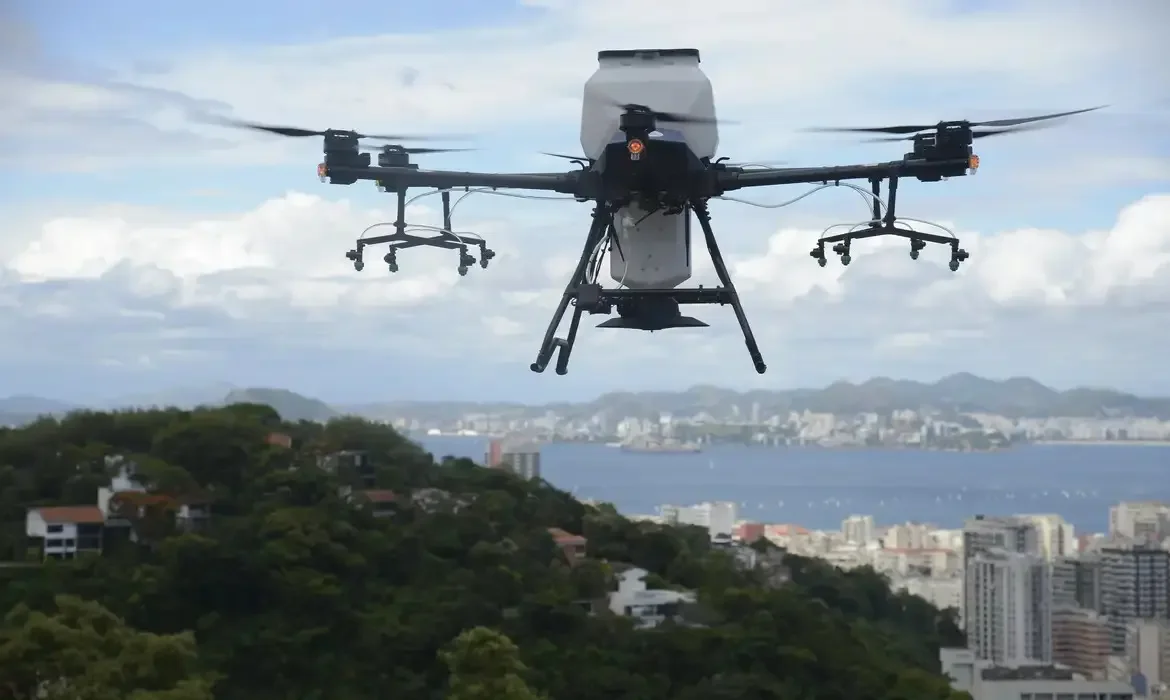
Operation Containment: State Force, Criminal Adaptation, and the Weaponization of Commercial Drones
Brazil’s Operação Contenção exposed a high-intensity urban confrontation in Rio, where Comando Vermelho deployed modified commercial drones for surveillance and attacks. The episode illustrates criminal militarization, adaptive escalation, and how civilian UAVs erode state informational dominance in dense urban terrain.
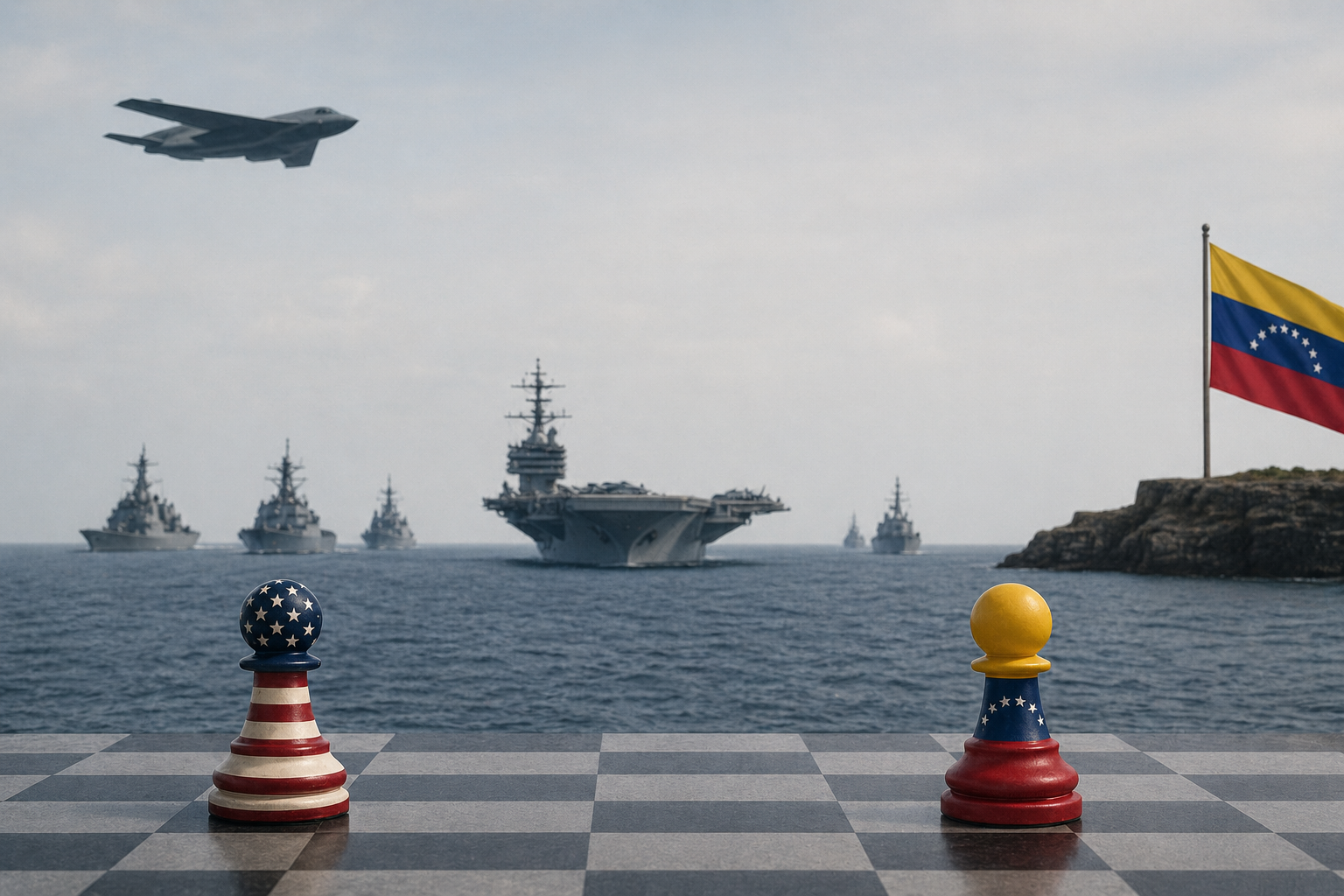
The Mirage of Hard Power: The Limits and Risks of a U.S. Intervention in Venezuela
The United States is concentrating military assets in the Caribbean and signaling willingness to use force. The problem is that no one appears to have a clear answer to what using that force would actually mean — or what would follow. Projecting coercive power without a coherent political strategy, a long-term vision, or a realistic post-military plan is not a policy. It is a posture. History is unambiguous about what tends to happen when Washington mistakes visible dominance for effective control.
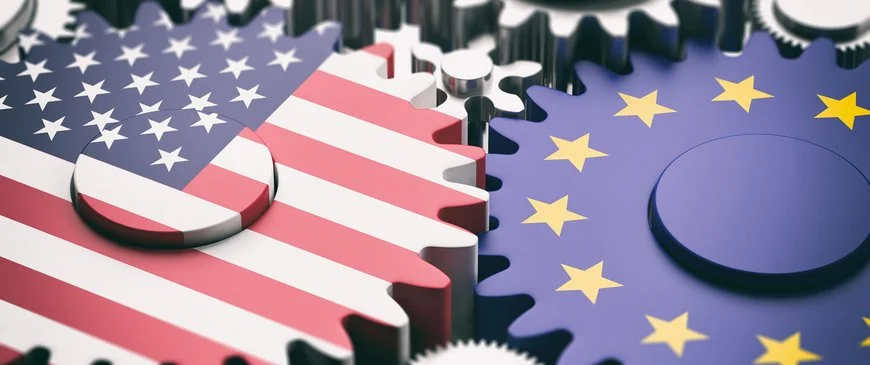
As the Global Order Unravels: Europe Struggles for Security Autonomy from the U.S.
As the global order shifts toward hard power, Europe faces a security crisis. With Trump reducing U.S. commitments, NATO underfunded, and Russia expanding militarily, Europe must accelerate strategic autonomy. However, achieving military self-sufficiency remains a decade-long challenge amid growing geopolitical instability.