Colombia 2026: Between Patron and Strongman: Colombia's Security Crisis After Paz Total
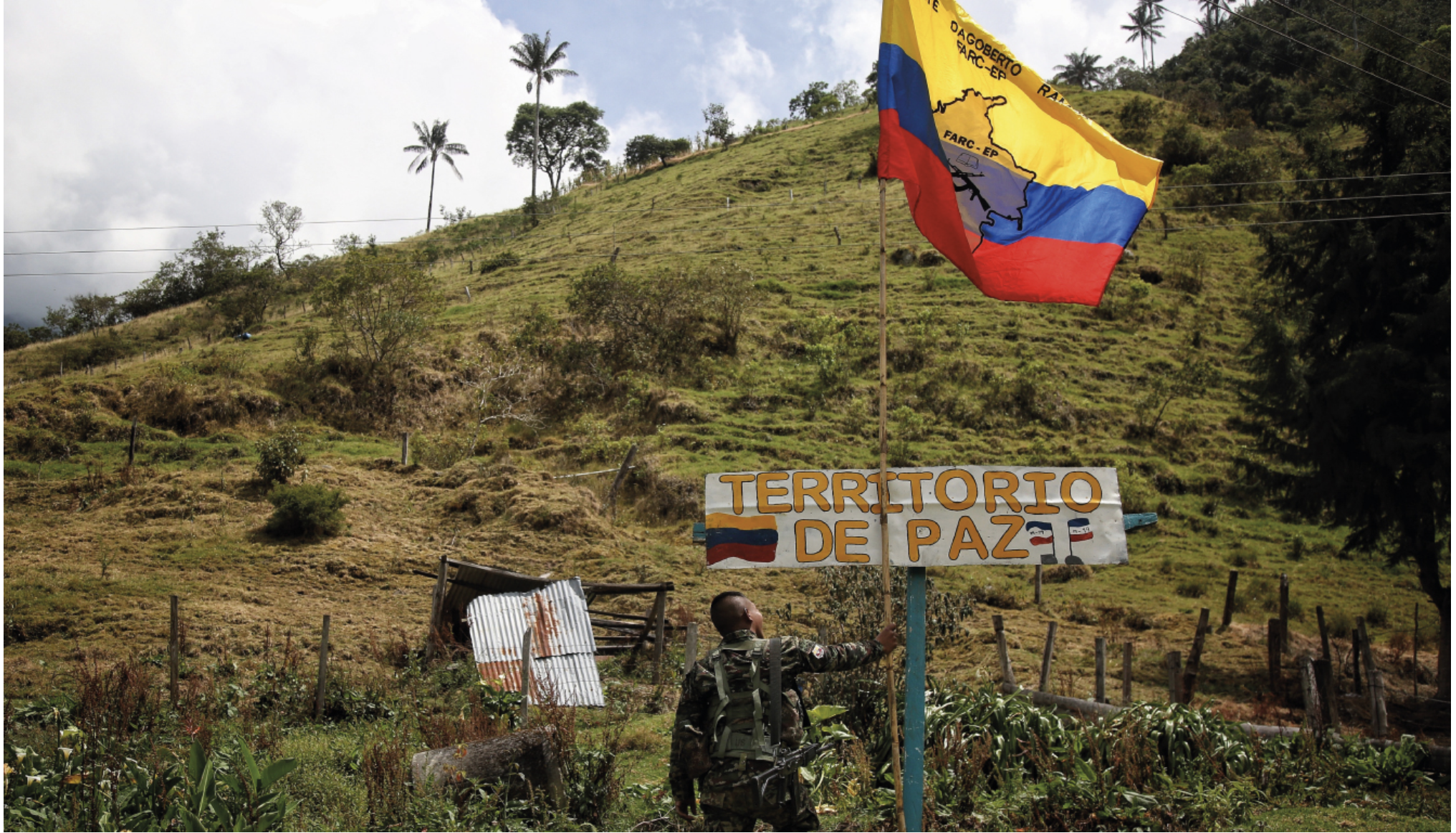
On June 21, Colombians are told they face a clear choice: continuity or rupture. Iván Cepeda would extend the logic of Paz Total — negotiation, redistribution, reform. Abelardo de la Espriella offers the opposite: mano dura, El Salvador's Bukele as the template, and a security strategy rebuilt around realignment with Washington.
Our latest analysis argues that this framing misses the point. Colombia's crisis is structural, and neither doctrine — nor the choice of foreign patron — resolves it.
The piece examines three pressures the next government cannot wish away:
A high defense burden, but hollow capacity. Colombia spends more of its GDP on defense than Belgium or Denmark. So why are armed groups adapting faster than the institutions built to stop them?
An overextended patron. Washington remains the implicit anchor of the hard-right vision. But the United States that underwrote Plan Colombia no longer exists in the same form — and what's left comes with conditions worth examining closely.
A model that doesn't transfer. The Bukele crackdown produced real results in El Salvador. We explain why the assumptions behind it break down when applied to Colombia's armed landscape — and what mass incarceration would actually produce here.
The human cost gives the debate its urgency: more than 1.6 million people affected by violence in 2025, child recruitment up sharply since 2021, and a battlefield increasingly shaped by cheap commercial drones.
Total Peace cannot continue — the numbers are not debatable. But the alternative on offer deserves the same scrutiny before it is endorsed. The deeper question is one neither candidate has answered: whether Colombia can build a security strategy that protects civilians without surrendering its institutions in the process.