

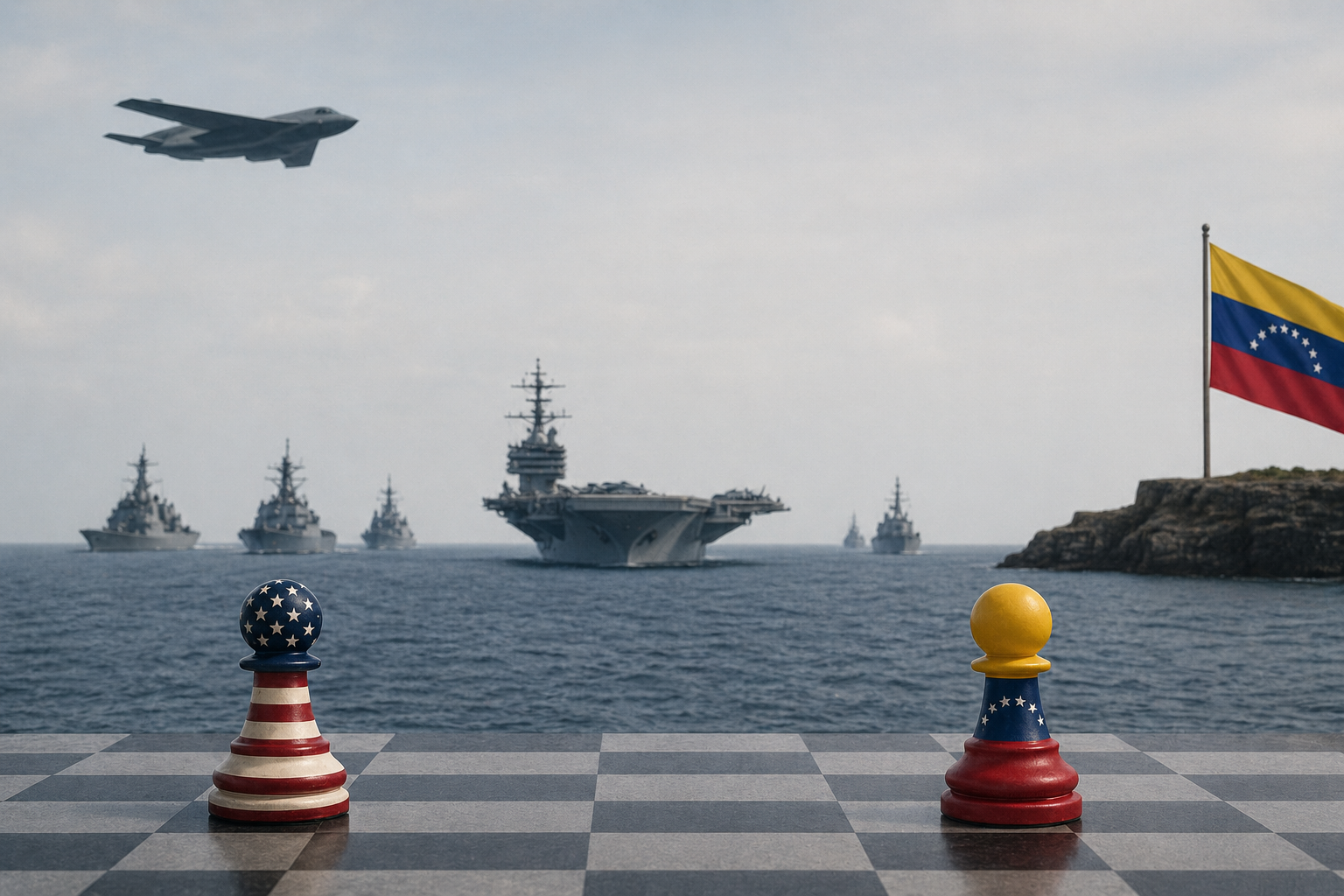
Reordered, Not Dismantled: The Authoritarian Compact in Post-Maduro Venezuela
The U.S. is signaling military force toward Venezuela without a coherent strategy. Any intervention would be costly, unstable, and unlikely to produce political change. Airstrikes wouldn’t secure a transition and could trigger institutional collapse, regional crises, migration spikes, and greater Russian, Chinese, and Iranian influence. Hard power offers no viable long-term solution.
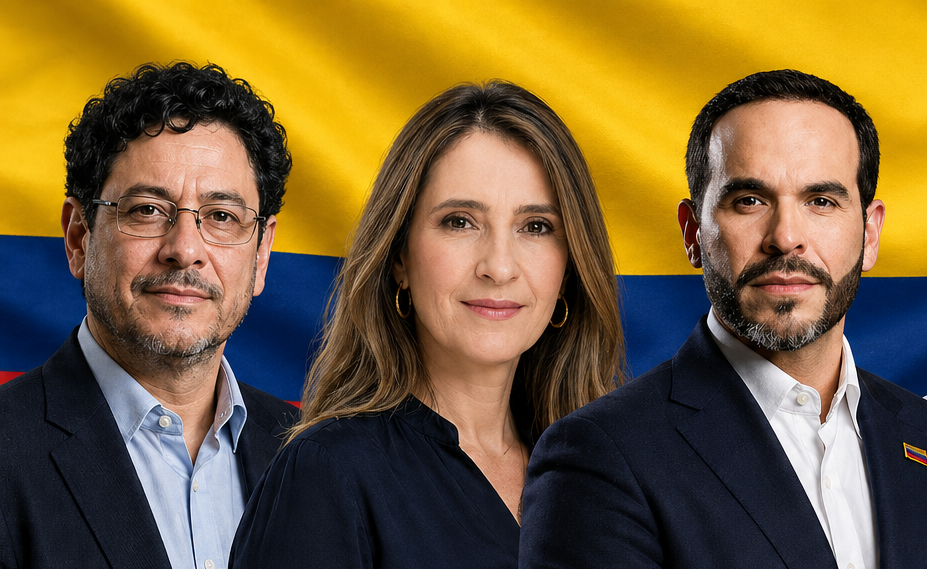
Colombia 2026 — The Foreign Policy Stakes: Scenarios, Consequences, and Opportunities
Colombia's 2026 election is a foreign policy inflection point. Each leading candidate represents a distinct strategic orientation: Cepeda toward autonomy and South-South cooperation; Valencia toward realignment with Washington; De la Espriella toward ideological rupturism without a coherent roadmap. This analysis maps the consequences of each scenario across U.S. relations, Chinese investment, regional positioning, counternarcotics, and migration.
Colombia 2026 — Three Candidates, Three Models: Colombian Foreign Policy in Dispute
Colombia's 2026 elections are not merely a change of leadership — they are a decision about the country's place in a rapidly shifting international order. Cepeda bets on strategic autonomy and regional integration; Valencia on realignment with Washington; De la Espriella on conservative populism without a clear foreign policy roadmap. Three candidates, three familiar trajectories, divergent consequences.
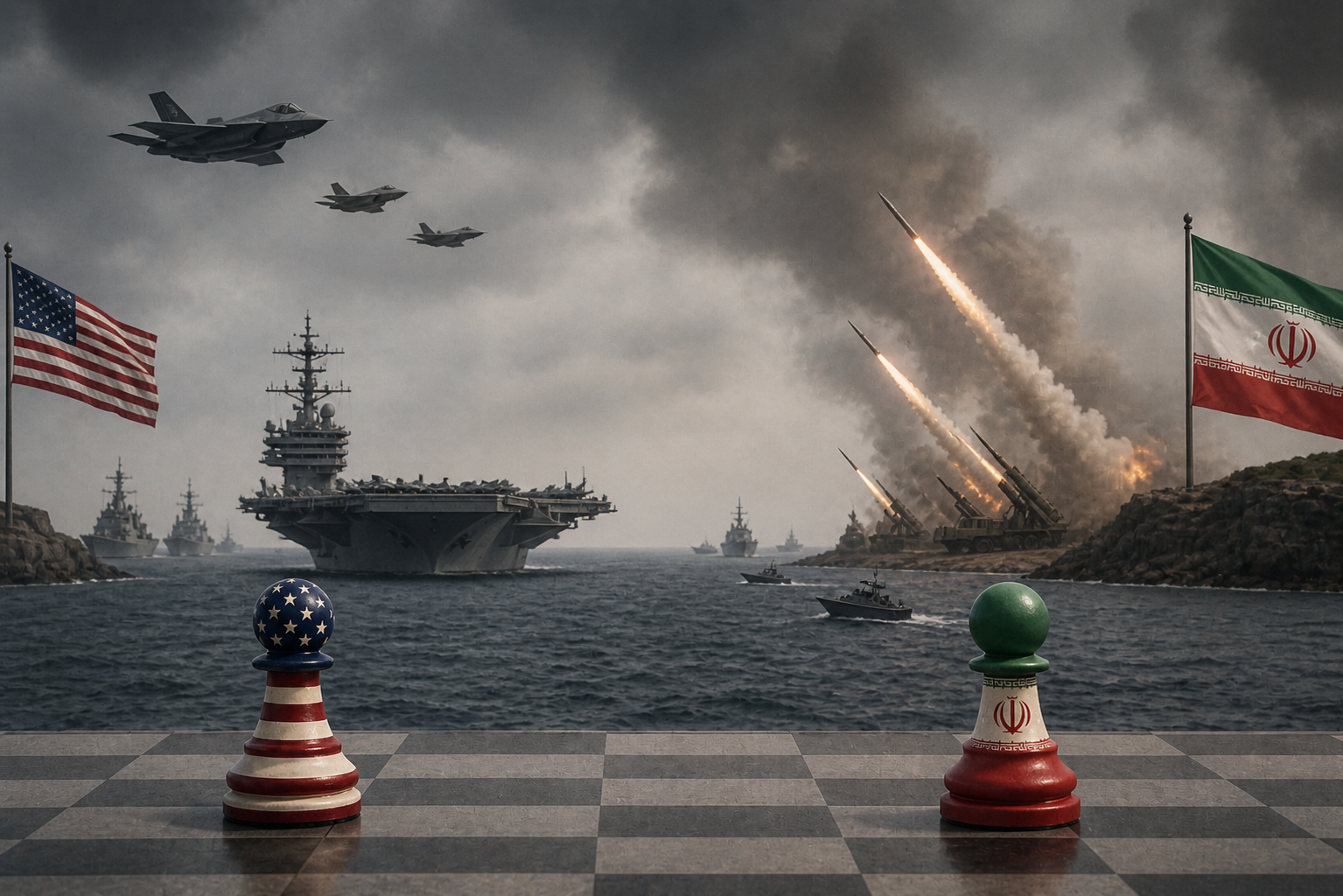
From the Persian Gulf to Latin America: The Repercussions of the War in Iran
As the United States deepens its military commitment in the Persian Gulf, its capacity to sustain hemispheric dominance is quietly eroding. This piece traces the concrete channels through which the Iran conflict is already reaching Latin America — energy price shocks, tightening dollar liquidity, expanding criminal economies, and weakening security partnerships — and argues that the region is absorbing the costs of a war it did not choose, without the protection the Monroe Doctrine once promised in exchange for deference.
The Mirage of Hard Power: The Limits and Risks of a U.S. Intervention in Venezuela
The United States is concentrating military assets in the Caribbean and signaling willingness to use force. The problem is that no one appears to have a clear answer to what using that force would actually mean — or what would follow. Projecting coercive power without a coherent political strategy, a long-term vision, or a realistic post-military plan is not a policy. It is a posture. History is unambiguous about what tends to happen when Washington mistakes visible dominance for effective control.